World wildlife webcams
There are a great many fantastic wildlife webcams out there, and people return to the same ones year after year. Watching them is better than watching television, because there is no filter — just nature getting on with it. Handykam kept a directory of the ones it liked, including streams it supplied the technology for itself, and highlighted many notable streams.
Handykam listed individual streams with their technology and the best time of year to watch. Most of those addresses no longer work: a live camera is an ongoing commitment and streams get retired, moved or reconfigured. The useful details are what to look for and where the maintained collections are — and points at sources that are still running.
Where to watch now
Explore.org live cams is the largest maintained collection of live nature cameras in the world, running dozens of feeds across bird nests, bears, big cats, oceans and reserves, with highlight clips for the hours when nothing is happening. It carries the Decorah bald eagle nest — the long-running Iowa camera that was on the Handykam list and remains one of the best and most addictive nest cameras ever set up.
In the UK, the Wildlife Trusts run seasonal cameras on their reserves, and the RSPB streams from several of its sites during the breeding season — osprey nests in particular have been a fixture for years. Both are best found through their own sites in spring, when the cameras go live.
Wildlife webcam categories
The directory was organised by species, which is still the sensible way to browse:
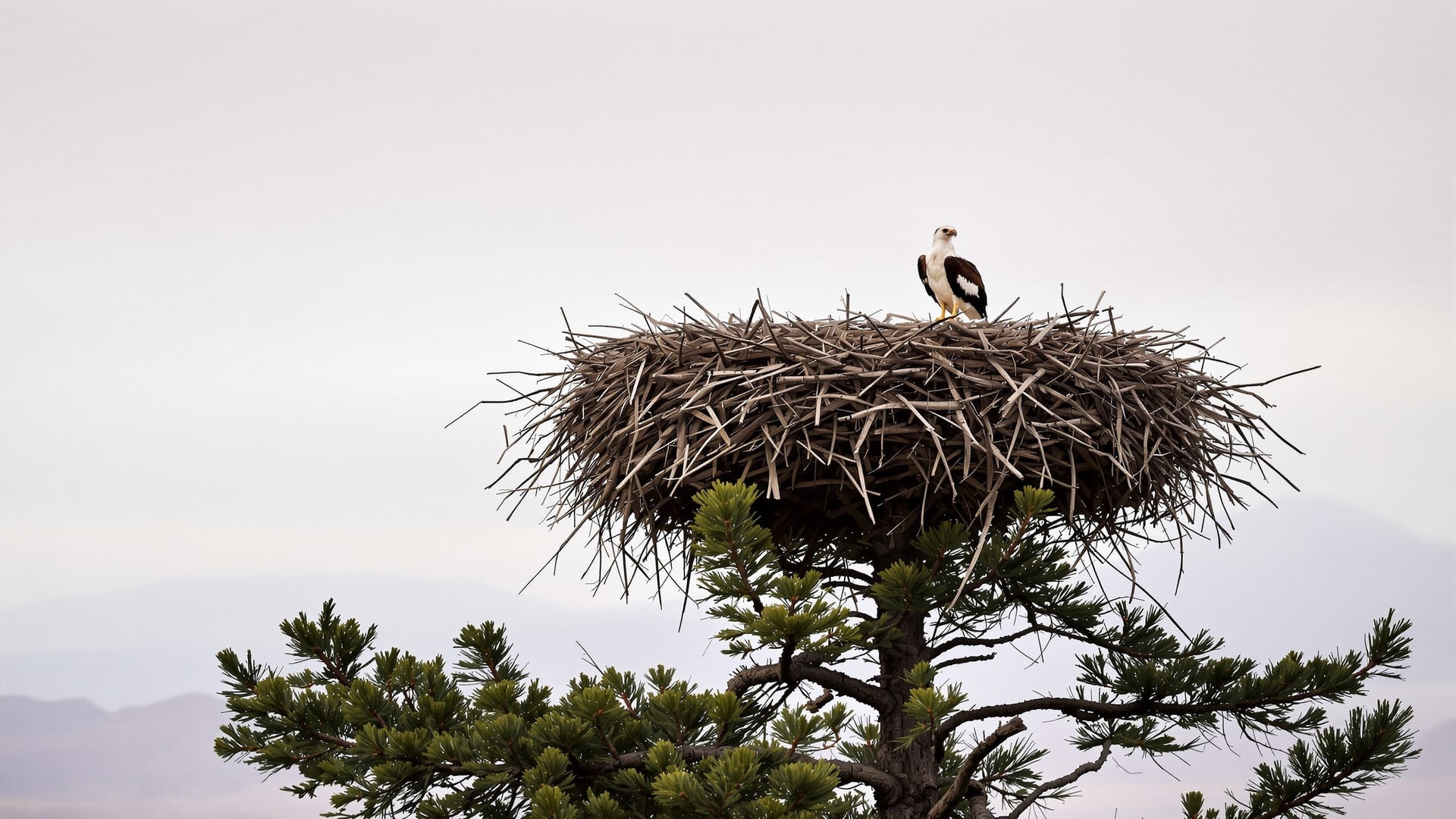
- Bald eagles — including the long-running Iowa nest camera and a second in California. HD pan-tilt-zoom network cameras with audio; best watched in spring.
- Ospreys — including a Scottish nature reserve nest. Watch through the spring as the birds return, lay and raise a brood.
- Penguins — a Cornish wildlife park camera, which Handykam supplied and streamed itself, running a 3MP HD network camera with audio. Worth watching all year round, and best at feeding time.
Handykam listed the camera technology used, which was a genuinely useful thing to publish: it let a reader see what a given picture quality actually costs. Every stream remains the copyright of its owner, and the company's standing note was to enjoy them, support the cameras, and recommend more.
What makes a good wildlife stream
Having supplied a few, the company had views on this, and they hold up:
- A camera on a subject that is reliably there. A nest in use beats a wide view of a habitat every time.
- Audio. More than half the interest of a nest camera is sound, and a stream without it feels oddly dead.
- Sensible framing. Close enough to see behaviour, wide enough that the subject does not constantly leave the frame.
- Night vision that works. A great deal happens after dark, and infra-red is what makes it watchable.
- Somebody maintaining it. This is the one that decides whether a camera is still there in five years, and it is why so many links from directories like this one are now dead.
Why the technology got easier
Over the last decade streaming became far more achievable: higher resolutions, better compression, and faster connections. A camera that would once have needed a broadcast budget can now be a network camera, a router and a hosting account. That is why there are so many more wildlife streams than there used to be — and why the constraint has shifted from equipment to the far less glamorous business of keeping one running year after year.
If you want to run one
Start by reading How do IP cameras work? and the WIFI IP camera FAQ. Then think hard about power, network and access before you think about the camera — the equipment is the easy part, and the site is the hard part. And if the subject is a protected species at a nest, check the position first: Natural England's licensing guidance applies to installing cameras just as much as to any other disturbance.
Related pages: Springwatch cameras · UK Wildlife Trust links · Science and research