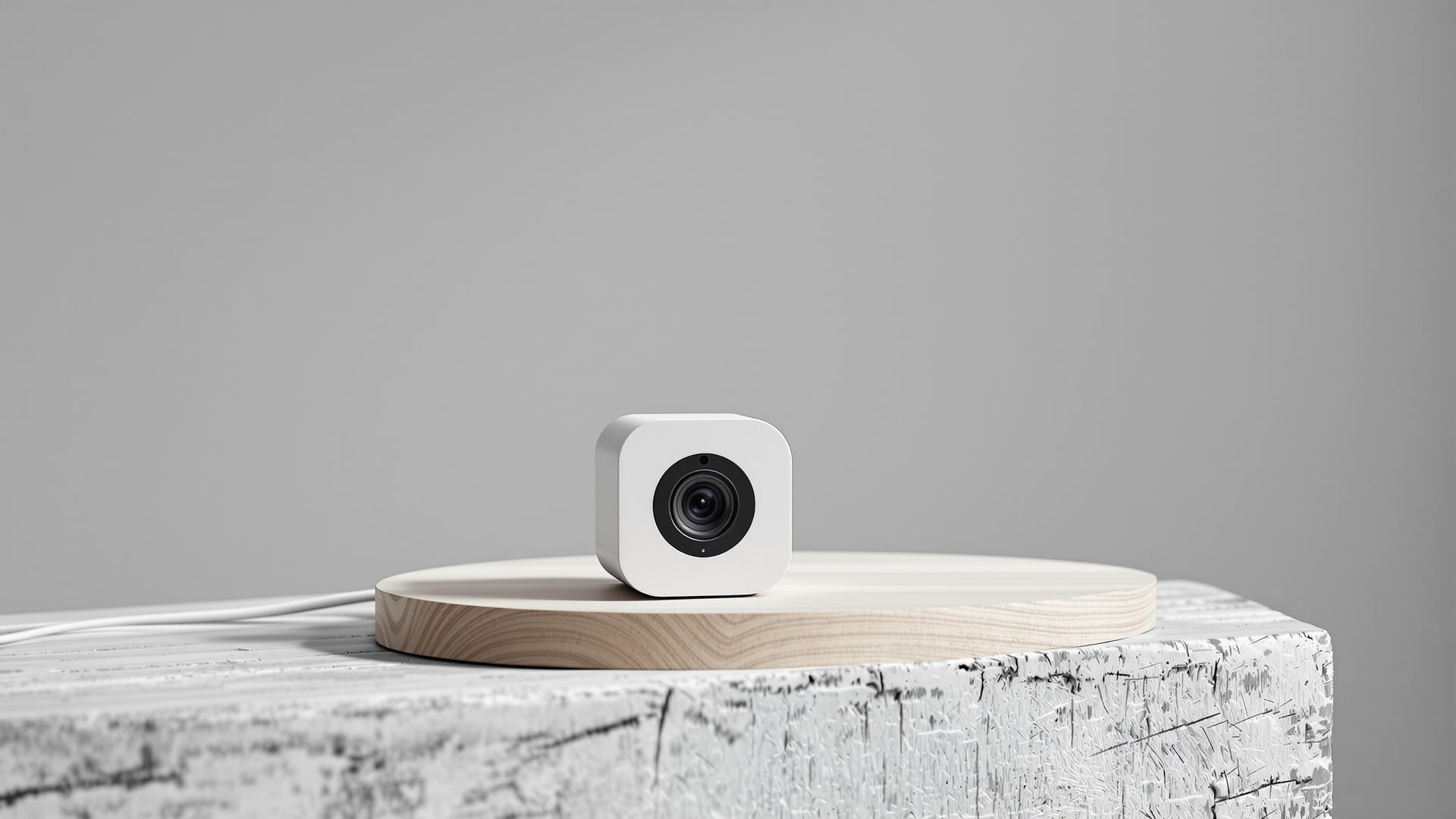
5MP mini WIFI camera
Handykam ceased trading. Nothing here is for sale, and no orders, enquiries or support can be handled.
A note on this page
This is the shortest model page in the Handykam range. The 5MP mini WIFI camera was sold as the standalone camera from Handykam's last camera family — the same unit supplied inside the 5MP WIFI bird box system, offered on its own for people who already had a box, a bracket and a cable. Its specifications are limited to details shared with the related kit and guidance that Handykam was published: the related kit and the WIFI IP camera FAQ written about the same camera. Nothing has been invented to fill the gap.
What it was
A small indoor-rated network camera intended to sit inside a bird box, nest box, owl box, feeder, bird table, hen house, aviary or mammal box. It could be dropped into an existing box as a straight upgrade from an older analogue camera, provided the box already had a mount and a route for a cable.
What is documented about it
- 5 megapixel resolution, colour by day.
- Automatic infra-red night vision, switching at around 1 lux. The LED ring around the lens is invisible to the eye; a brief reddish cast at dawn and dusk as the internal infra-red filter moves is normal behaviour, not a fault.
- Built-in microphone with level control in the viewing app.
- Two connections: a 12v DC power input and a network socket supporting Power over Ethernet.
- Its own WIFI on power-up, appearing as
IPCAM-plus a unique number, so a phone could connect directly before any network setup. It could then be told to join a house network instead. Plugging in a network cable disabled the camera's own WIFI until the camera was reset. - Micro SD recording, 1GB to 128GB Class 10, on motion or schedule, reviewed and downloaded through the app.
- Open standards: ONVIF compliant with an RTSP stream on the standard port 554, so it worked with third-party viewers and network video recorders as well as its own app.
- Manual focus by turning the lens barrel — best done outside the box, over newsprint, at the measured distance to the nest.
- Indoor rated. Used outside a box it needed a small enclosure with the lens and LEDs left clear.
What is not documented
Its part number, exact dimensions, lens focal length, field of view, power draw and the precise contents of the standalone package are not documented. No plausible figures have been borrowed from a sibling product.
Where to read more
The WIFI IP camera FAQ is the substantial document about this camera — around thirty questions covering setup, apps, browsers, remote viewing, recording, focusing, night vision and mounting. How do IP cameras work? covers the underlying principles, and Digital IP versus analogue explains why the company moved this way at all. If you are planning to put any camera into a nest box, read the BTO's nest box guidance first: the equipment is the easy part.