Choosing the best trail camera
Choosing a trail camera can feel like tip-toeing through a minefield. The market is enormous, it turns over constantly, and it is full of recognisable names sitting alongside rebadged products that appear for a season and vanish. Handykam looked at a great many of them every year and tested them on the things that actually separate a good one from a bad one. This is what it concluded, and none of it is brand-specific — which is deliberate, because the brands change and the criteria do not.
First, decide what you are filming
Every other decision follows from this one, and getting it wrong is the most common expensive mistake. A camera set up for badgers on a well-used run is a different specification from one watching a bird table two metres away, which is different again from one covering a gateway for security.
- Small mammals — mice, voles, shrews — need the camera close, a short minimum focus distance, and high sensitivity. Most disappointment with trail cameras comes from expecting a general-purpose unit to record a wood mouse at ten metres.
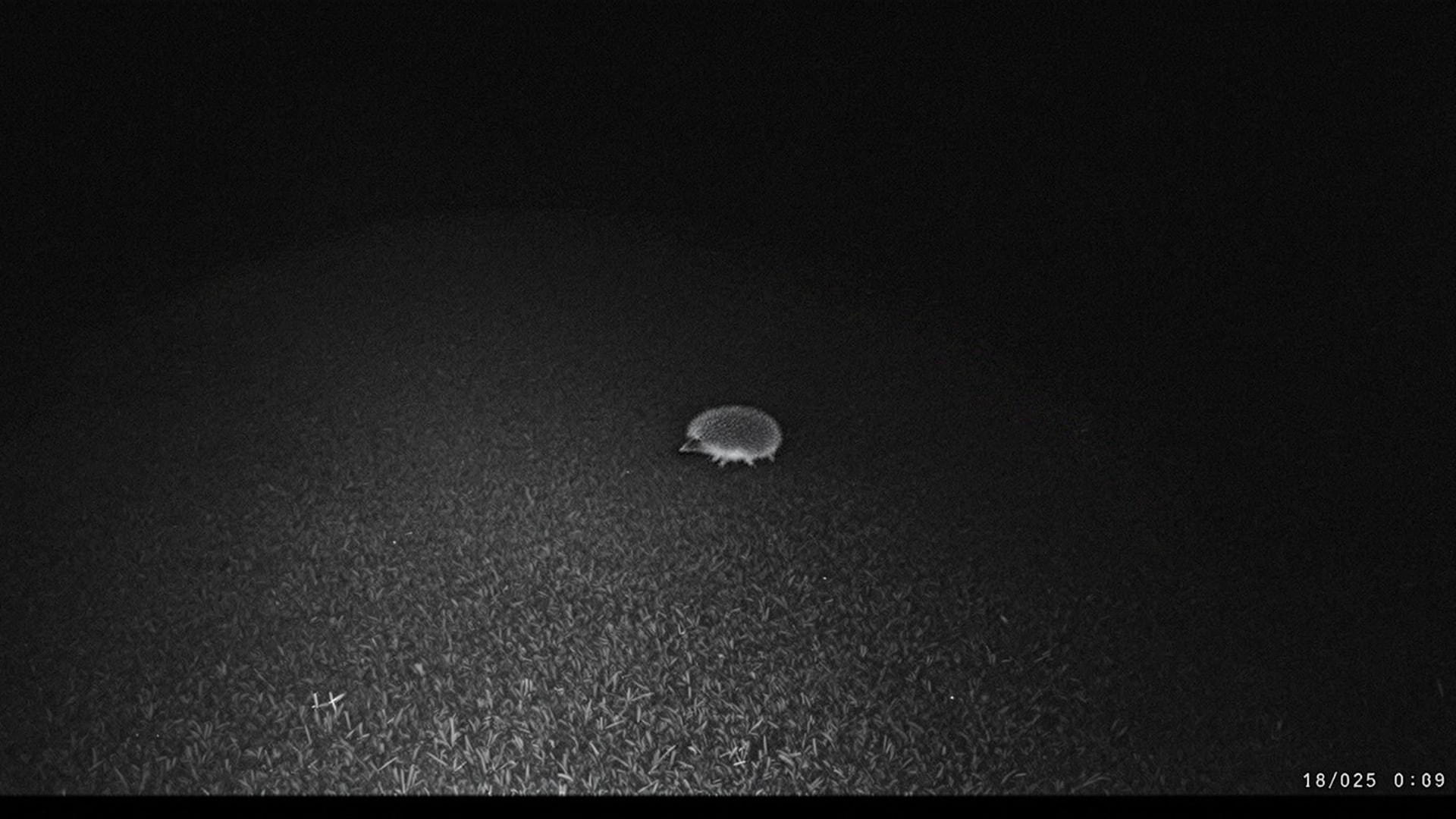
- Garden mammals — hedgehogs, foxes, badgers, cats — are the sweet spot. Almost any decent camera at two to five metres will do this well.
- Deer and larger, or open ground — needs genuine sensor reach and infra-red range, not just a big megapixel number.
- Security — prioritises trigger speed above everything, because the subject is moving purposefully and will not wait.
If you genuinely do not know, or expect to move the camera around, buy for flexibility: adjustable sensitivity, a decent range of delay settings, and both stills and video modes.
Resolution — and the interpolation trap
Check what the actual resolution is, not the number on the front of the box. A great many cameras quote an "enhanced" or interpolated figure, which is the real sensor output enlarged in software. Software cannot invent detail that the sensor never captured; interpolation makes a file bigger and a picture no sharper. A camera advertised as 12MP interpolated from 5MP actual is a 5MP camera. Anything that is honest about a 5MP actual figure is doing fine.
Where possible, look at real sample stills and real sample video before deciding, rather than at specifications. It is the fastest way to see through a specification sheet.
Quality — look at footage, not numbers
Image quality varies enormously between cameras with identical specifications, because it depends on the lens, the sensor's low-light behaviour, the infra-red illumination and the compression, none of which appear on the box. Night footage is where the differences are starkest and where most of your recordings will be. Read reviews from people who post actual clips.
Trigger speed
The time between the sensor detecting movement and the camera recording. This can be crucial depending on what you are filming. A camera that takes a second and a half to wake produces a beautiful photograph of an empty path with a tail leaving the frame. On a narrow run where the animal is moving across the view it matters enormously; on a feeding station where the subject stays put it barely matters at all. Fast trigger speeds cost money, so buy them only if your subject actually needs them.
Sensor range and coverage
Check both the width of the detection zone and how far the PIR will reach. These are separate numbers and they interact with the lens angle: a camera whose lens sees wider than its sensor detects will record subjects only in the middle of its picture. Variable sensitivity settings are genuinely useful for a camera that moves between locations — high sensitivity in a cold hedge in February, lower on a sun-warmed bank in July where every moving grass stem sets it off.
Battery life
Difficult to measure and easy to underestimate, because it depends heavily on how often the camera triggers and how much night video it records. It matters for two reasons: a camera with longer endurance films more, and it costs less to run. Some cameras take mains power or an external battery pack — Handykam supplied cables for exactly this — which changes the equation completely for a fixed position near a building.
The practical extras
- A playback screen, so you can aim the camera and check results without removing the card.
- A proper mount. A strap round a trunk points the camera wherever the trunk points. A swivel-and-tilt bracket is one of the cheapest meaningful upgrades available.
- A lock and security cable, if the camera is anywhere the public can reach.
- Time-lapse and scheduling, if you are watching something that changes slowly rather than something that walks past.
- Weather sealing. Everything claims it. What actually fails is the battery door seal and the card slot cover.
Setting it up well
Most poor results are placement, not equipment. Clear vegetation from the detection zone. Point the camera along a run rather than across it if you can — animals travel routes. Avoid pointing at the rising or setting sun. Set the delay between triggers long enough that one hedgehog does not fill the card, and short enough that you do not miss the fox behind it. Then leave it for a week; the first two days of any new camera position are the least representative.
Where to point it
If you want somewhere to start, the Hedgehog Street project has good guidance on garden hedgehog activity, the People's Trust for Endangered Species runs national mammal surveys that a camera can contribute to, and the Wildlife Trusts' actions pages are a good source of ideas for making a garden worth filming in the first place.
Related pages: How trail cameras work · FAQ: trail cameras · Camera resolution · model index